


As someone who has invested considerable time analyzing the landscape of online gaming, I view the competitive structures developing around specific titles to be a fascinating evolution turbominescasino.com. Turbo Mines Game, a title that skillfully blends strategic decision-making with chance, has fostered a particularly active community. This interest naturally extends to organized competitive play, where players can challenge their skills against others in a structured format. For enthusiasts seeking to move beyond casual sessions, understanding the tournament ecosystem and competitive schedule is the next logical step. This article serves as a detailed guide to that world, detailing the typical formats, schedules, strategic implications, and the community culture that shapes competitive Turbo Mines Game play. My aim is to offer a clear, objective roadmap for players at all levels who are interested about entering this more formalized arena of play.
Grasping the Fundamental Gameplay for Tournament Play
Before diving into tournament structures, a firm grasp of the core mechanics of Turbo Mines Game is essential for competitive success. The game centers on a grid of tiles, a predetermined number of which contain mines. Your aim is to reveal tiles to accumulate multipliers without activating a mine. Each safe reveal boosts your potential win, but you must determine when to cash out and collect your earnings before encountering a loss. This produces a perfect tension between greed and caution. In a competitive setting, this core loop is what tournaments evaluate and highlight. It’s not merely about luck; it’s about risk assessment, probability estimation, and emotional control under time pressure or when watching opponents’ strategies. Perfecting this balance is the first and most critical step toward being a viable contender in any tournament format. The game’s elegance lies in its simplicity, which in turn makes competitive play extremely focused on minute psychological and strategic nuances.
Reward Systems and What to Expect
Prize structures in Turbo Mines Game tournaments differ as widely as the competition styles. Compact daily tournaments might feature prize pools made up of bonus funds or small cash rewards, often awarded to the top three or ten finishers. Bigger monthly events could feature guaranteed prize pools with more precise payout, benefiting a higher percentage of the players. Some competitions use a tiered system, where players gain points for placements across multiple events, leading in a grand final with significant payoffs. It is essential to review the terms of each tournament carefully to comprehend exactly what is being offered and how it will be awarded. From my standpoint, while prizes are a great incentive, the primary appeal for many players lies in the validation of skill, the community recognition, and the sheer adrenaline of structured competition.
Platforms Running Turbo Mines Tournaments
Turbo Mines Game tournaments are typically hosted on the online platforms where the game is available. These platforms act as the organizers, determining the rules, schedules, and prize structures. They commit to these competitions to increase player engagement and provide added value. When choosing where to compete, evaluate the platform’s reputation, the frequency and fairness of its tournaments, and the clearness of its communication. A efficient platform will have a specific tournament section with clear rules, real-time leaderboards, and prompt prize distribution. Some may also feature free-to-enter tournaments as a method for new players to try competitive play without risk. As a player, your connection with the platform is key; a reliable host guarantees the competitive integrity and smooth execution of the events you devote your time and skill into.
The function of Community in Competitive Play
The competitive scene for Turbo Mines Game is essentially supported by its player base. Active forums, social media groups, and streaming platforms are centers where strategies are broken down, tournaments are highlighted, and rivalries are born. Connecting with this community is extremely valuable for any aspiring competitor. You can gain insights from the shared experiences of others, find new tactical approaches, and keep up to date about upcoming events. Additionally, many community members arrange informal tournaments and leaderboard challenges, providing additional avenues for practice. This shared pool of knowledge accelerates the learning curve far more than playing alone ever could. The sense of camaraderie and common enthusiasm also enriches the overall experience, making competitive play not just a challenge of expertise, but a communal event.
Approaches to Tournament Victory
Shifting from casual play to tournament winning in Turbo Mines Game requires a deliberate strategic shift. First, you have to internalize the specific rules and scoring of the event. Does it prioritize total accumulated points over many games, or just your single best effort? This determines everything. In survival formats, developing a “cash-out threshold” approach is paramount—a pre-decided multiplier at which you will bank your winnings irrespective of temptation. In score-attack formats, pattern detection and probabilistic calculations on the fly become more important. Importantly, controlling your emotional state is a strategy in its entirety; the pressure of competition can lead to rash moves. I often simulate tournament situations in solo practice, setting the same parameters I would face in an actual event, to build mental stamina and strategic coherence away from the attention.
Adapting to Opponent Behavior
In live or synchronous competitions, a layer of meta-strategy involving opponent tracking becomes relevant. If you can see the rankings or survival status of competitors, you can adapt your strategy correspondingly. For instance, if you are in a survival tournament and many players have been eliminated early, you might adopt a more conservative stance, knowing you are already in a strong place. Conversely, if you are trailing in a high-score event, you might be forced to take greater risks to catch up. This psychological dynamics adds a rich, dynamic element to competitive play that simply is absent in solo sessions. Learning to process this external information without letting it disrupt your own core decision-making process is a nuanced but powerful skill.
Common Tournament Formats for Turbo Mines Game
The rival scene for Turbo Mines Game usually arranges around several distinct formats, each assessing different facets of a player’s skill set. The most widespread is the classic knockout tournament, where participants are knocked out after hitting a mine, and the last player standing wins the prize. This format emphasizes survival and conservative play. Another popular structure is the highest score challenge, where players have a set number of attempts or a time limit to achieve the single highest cash-out amount. This format often benefits more aggressive, high-variance strategies. Furthermore, leaderboard competitions run over longer periods, such as a week or a month, combining scores from many gameplay sessions. Here, consistency and volume often trump single spectacular runs. Understanding the format you are entering fundamentally shapes your tactical approach from the very first tile you click.
Survival vs. Accumulation Styles
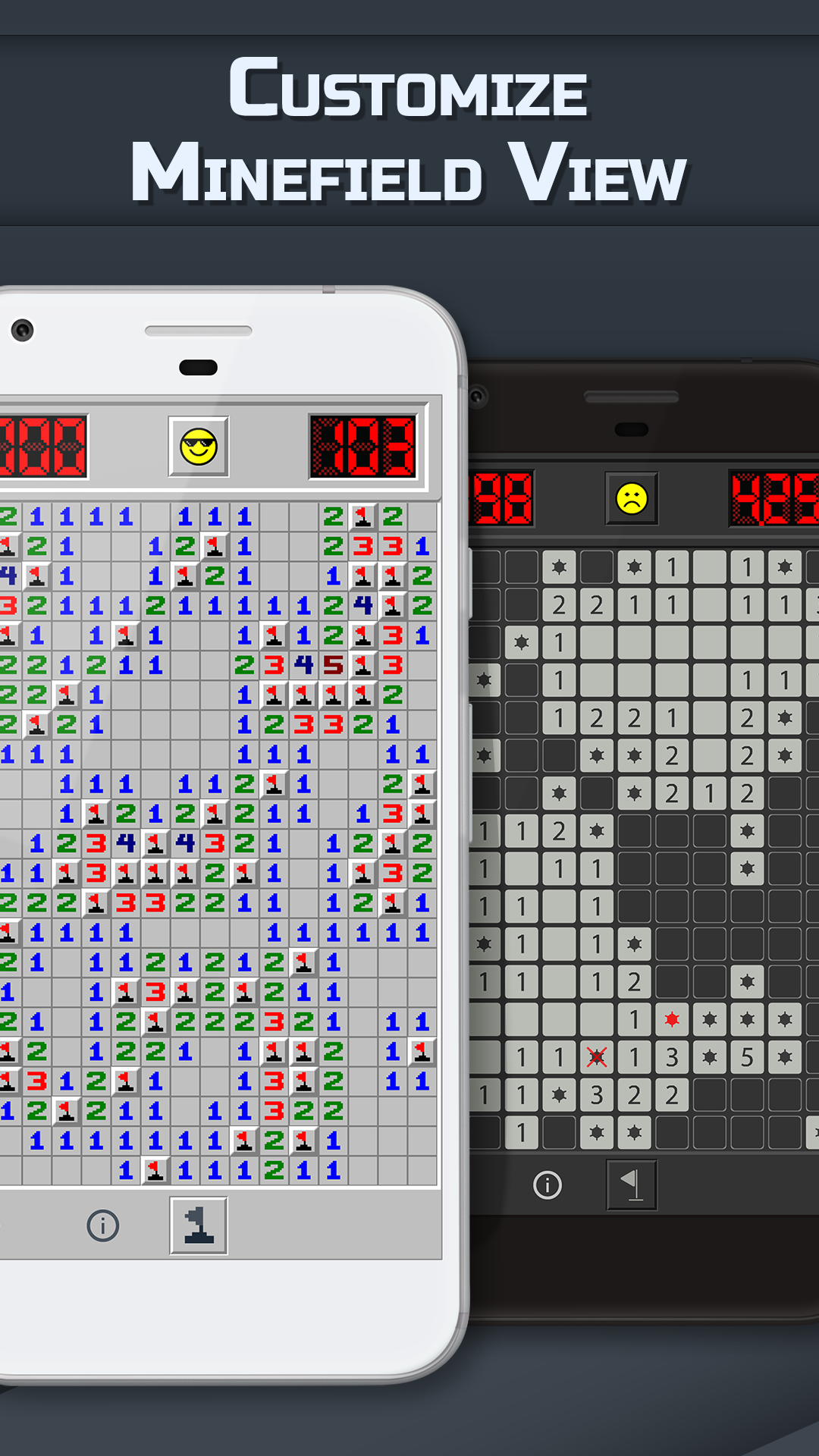
The difference between knockout and accumulation formats cannot be exaggerated. In a knockout tournament, the primary goal is to avoid the mine at all costs, which often leads to earlier, more frequent cash-outs. The strategy becomes about surviving others rather than posting a monumental score. Conversely, accumulation or high-score formats foster pushing boundaries. Since one early elimination isn’t necessarily fatal if you have multiple attempts, players might take careful risks to chase the massive multipliers needed to top a leaderboard. This strategic fork in the road means a player excellent in one format may struggle in another without a mental adjustment. I always counsel players to specialize initially, focusing on the format that best fits with their natural playstyle, whether that’s the patient, defensive approach or the bold, high-stakes gamble.
Common Timetable of Competitive Events
The scheduling of Turbo Mines Game tournaments typically adheres to a rhythm intended for both casual and dedicated competitors. Day-to-day or weekly tournaments are commonplace, providing smaller-scale competitions with rapid turnaround. These are perfect for regular practice and for players who cannot commit to long-term schedules. Grander, more esteemed competitions may be monthly or quarterly affairs, featuring bigger prize pools and more complex multi-stage formats. These often demand entry through smaller events or consistent leaderboard performance. Furthermore, many platforms run special one-off events tied to holidays or game anniversaries, which can bring in distinctive rule changes. As a participant, I suggest reviewing the event calendar of your preferred platform to select a mix of event types that fit your availability and ambition level, forming a personal competitive cadence.
Preparing for Your Maiden Tournament
Entering your first Turbo Mines Game tournament can be challenging, but with planning, it becomes an exciting milestone. Start by picking a low-stakes, possibly even free-to-enter, event to get accustomed to the tournament interface and demands. Carefully review the rules until you grasp every detail about scoring, tie-breakers, and duration. In the days before the event, practice under conditions that mimic the tournament format. If it’s a 10-minute high-score challenge, work on 10-minute sessions. Guarantee you are in a distraction-free environment when the tournament begins. Emotionally, treat it as a learning experience rather than a do-or-die mission. Your goal for a first tournament should be to see it through while executing your chosen strategy reliably, regardless of the final standing. This builds a base of experience upon which you can develop future competitive achievements.
Upcoming Developments in Turbo Mines Competitions
Going forward, the tournament scene for Turbo Mines Game is poised for continued evolution. We might observe more sophisticated tournament software with improved live spectating capabilities, enabling spectators to watch top players’ choices in real-time. The integration of more intricate ranking and elo-style frameworks could provide players with a lasting indicator of their competitive standing. Additionally, cross-platform tournaments or unique events with celebrity contestants could raise the visibility of the game. Another likely trend is the structuring of tactics and the emergence of a more clearly outlined “meta” as the game is analyzed at a deeper stage. As an observer of this field, I consider the emphasis will stay on boosting the competitive integrity and spectator attraction while keeping the accessible, nerve-wracking core gameplay that makes Turbo Mines Game so particularly suited for tournament play in the first place.


