


Exploring the psychological impacts of gambling on decision-making processes
The Nature of Gambling Addiction
Gambling can be both an exciting form of entertainment and a source of psychological distress. When individuals engage in gambling, they often experience a heightened sense of excitement, which can lead to impulsive decision-making. This rush can create a cycle where players continually seek out that thrill, neglecting the potential consequences of their actions. As they gamble, their cognitive functions may become impaired, leading to poor choices that prioritize short-term rewards over long-term stability. To enhance your experience, visiting golden star casino australia might be worthwhile.
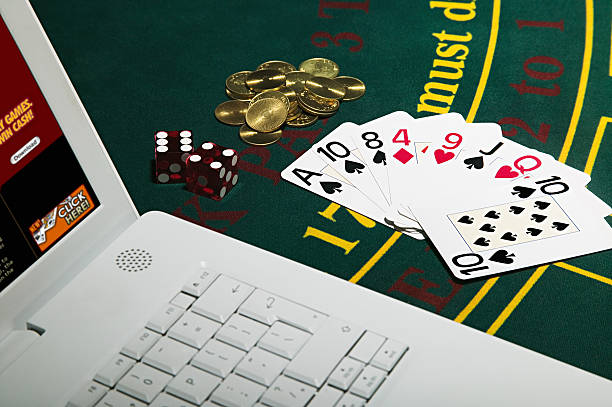
Many individuals who fall into the trap of gambling addiction develop cognitive distortions. They may convince themselves that they have control over outcomes or that they can recover their losses with just one more bet. Such thinking fosters a risky mindset that further complicates decision-making processes. The addiction may also lead to neglect of responsibilities, affecting personal relationships and financial stability.
The psychological impact of gambling can manifest in various ways, including anxiety, depression, and low self-esteem. Individuals may experience intense guilt and regret after losses, compounding their emotional distress. The need to escape these negative feelings can drive individuals back to gambling, perpetuating the cycle of addiction and poor decision-making.
The Role of Cognitive Biases
Cognitive biases significantly influence the decision-making processes of gamblers. One of the most prominent biases is the illusion of control, where individuals believe they can influence the outcome of a game of chance. This misconception leads players to take unnecessary risks, believing they have a better chance of winning than they actually do. Consequently, this belief can lead to a series of irrational decisions that prioritize momentary excitement over logical reasoning.
Another common bias is the gambler’s fallacy, which suggests that past events can affect future outcomes in games of chance. For instance, a player might assume that a specific slot machine is “due” for a win after a series of losses. This misunderstanding can result in continued play despite negative experiences, as individuals become trapped in their flawed thinking patterns. These biases distort reality and can lead to devastating financial and emotional consequences.
Understanding these cognitive biases is critical for recognizing their effects on decision-making. By being aware of these distortions, individuals can develop strategies to counteract them. This awareness can lead to more rational decisions, allowing players to enjoy gambling as entertainment without falling prey to its psychological pitfalls.
Psychological Resilience and Coping Strategies
Building psychological resilience is essential for anyone who engages in gambling. Resilience helps individuals manage stress and bounce back from setbacks, reducing the likelihood of falling into compulsive behaviors. Techniques such as mindfulness and cognitive behavioral therapy (CBT) can be instrumental in developing resilience. These approaches encourage individuals to focus on their thoughts and behaviors, allowing them to make more rational choices while gambling.
Moreover, effective coping strategies can help mitigate the negative impacts of gambling. For instance, setting strict limits on time and money spent can create a more controlled gambling environment. This strategy can empower individuals to enjoy gambling without the pressure of significant financial loss. Additionally, seeking support from friends, family, or support groups can foster a sense of accountability and help individuals navigate their gambling experiences with a healthier mindset.
Ultimately, fostering resilience and employing coping strategies can transform the way individuals approach gambling. Instead of viewing it as an escape from reality, individuals can engage with it as a leisure activity, promoting a balanced lifestyle. This shift in perception is vital for maintaining both psychological well-being and responsible decision-making.
Impact on Relationships and Social Dynamics
The psychological effects of gambling extend beyond the individual; they can significantly impact relationships and social dynamics. As gambling becomes an obsession, it can lead to estrangement from family and friends. Those affected by gambling addiction often prioritize their gambling activities over meaningful relationships, which can result in feelings of isolation and loneliness. This disconnect further exacerbates the emotional turmoil experienced by the gambler, creating a vicious cycle of neglect and desperation.
Furthermore, the financial strain associated with gambling can lead to conflict within relationships. Couples and families may find themselves at odds over spending habits and financial priorities. Trust issues often arise when one partner hides gambling activities or lies about losses. These dynamics can create a toxic environment that challenges the stability of relationships, pushing individuals further into isolation and despair.
To address these issues, open communication is crucial. Families and partners must discuss their concerns and feelings regarding gambling behaviors. Establishing boundaries and mutual understanding can help rebuild trust and mitigate the negative impacts of gambling on relationships. This proactive approach can foster a supportive environment where individuals feel encouraged to seek help and change their gambling habits.
Responsible Gambling and Positive Decision-Making
Responsible gambling practices play a pivotal role in promoting healthier decision-making processes. Establishing clear limits on time and money spent on gambling can help individuals maintain control over their activities. Moreover, engaging in self-reflection and assessing one’s gambling habits can foster awareness and responsibility. When individuals take ownership of their decisions, they are more likely to make informed choices that align with their values and goals.
Support organizations also provide valuable resources for promoting responsible gambling. They offer tools and strategies that educate individuals about the risks associated with gambling and how to mitigate them. Awareness campaigns can illuminate the psychological aspects of gambling and encourage individuals to approach it with caution and mindfulness. By fostering a culture of responsibility, individuals can enjoy gambling as a form of entertainment without jeopardizing their well-being.
Ultimately, adopting responsible gambling practices encourages a healthier approach to decision-making. Individuals who prioritize self-awareness and accountability are better equipped to navigate the complexities of gambling. This positive mindset can lead to more satisfying experiences while minimizing the risk of addiction and negative psychological impacts.

Conclusion on Gambling and Psychological Well-Being
In conclusion, understanding the psychological impacts of gambling on decision-making processes is essential for promoting healthier behaviors. Gambling can evoke a range of psychological responses, influencing how individuals perceive risks and rewards. By recognizing cognitive biases and building resilience, individuals can make informed choices that enhance their overall well-being.
It is also crucial to foster supportive relationships and prioritize responsible gambling practices. Open communication about gambling habits can strengthen relationships while ensuring individuals maintain control over their decisions. Resources for responsible gambling can offer guidance and support for those navigating this complex landscape.
Ultimately, the goal is to enjoy gambling as an entertaining activity without succumbing to its psychological pitfalls. By adopting a thoughtful approach to gambling, individuals can protect their mental health and make positive decisions that contribute to a balanced lifestyle.

